Protein: Balanced Nutritional Role
Understanding protein's essential contribution to metabolic stability
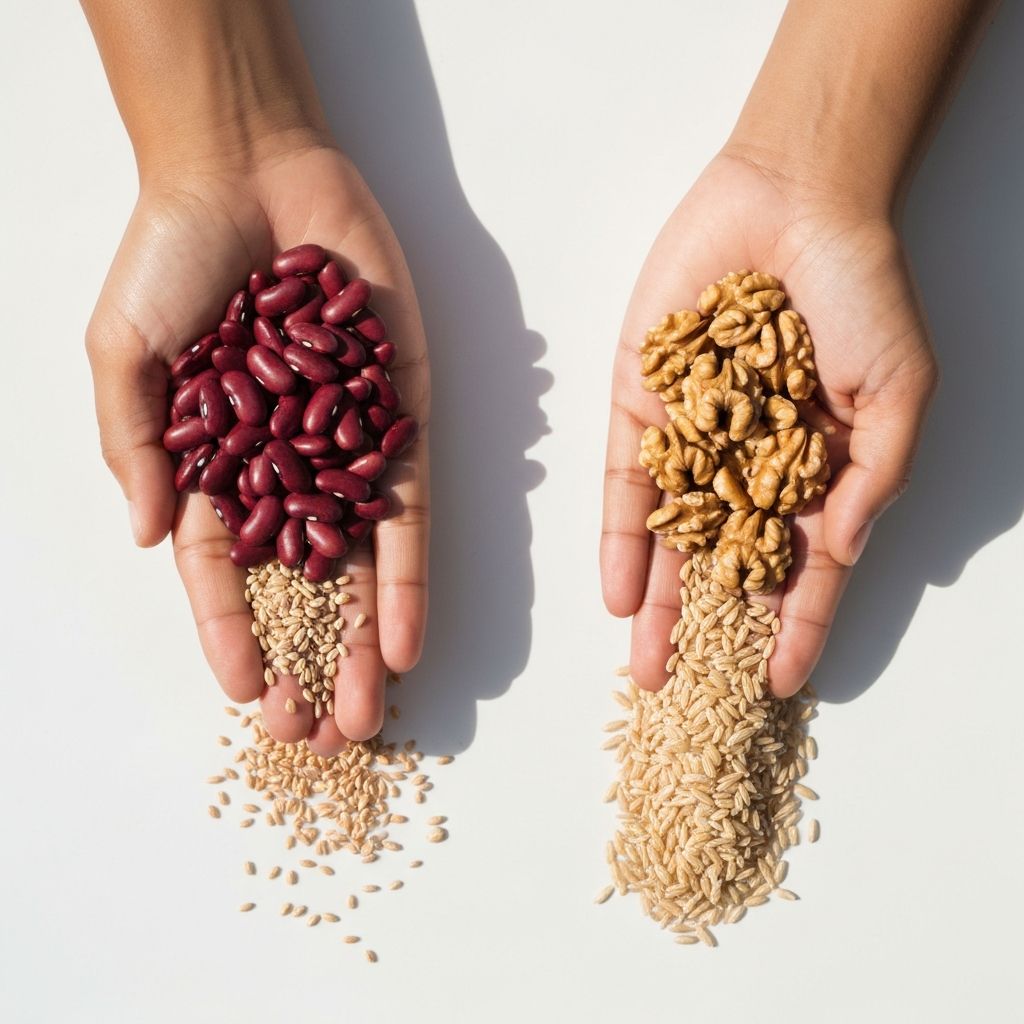
Protein's Equilibrium Function
Protein serves as one of three macronutrients essential to maintaining nutritional equilibrium in daily life. Unlike carbohydrates or fats, protein plays uniquely diverse roles in supporting metabolic harmony and physiological stability.
Structural and Functional Balance
The human body continuously maintains and rebuilds tissue through protein synthesis—a process requiring amino acids from dietary protein intake. Muscles, organs, skin and enzymes all depend on this balanced protein supply to function optimally and maintain structural integrity.
This isn't about dramatic muscle building or transformation. Rather, it's about sustaining the equilibrium that allows the body to maintain its current tissue composition and replace cells naturally lost through daily wear and cellular turnover.
Metabolic Harmony Through Satiety
Protein influences appetite regulation differently than other macronutrients. It signals satiety more strongly and creates more stable blood glucose responses compared to simple carbohydrates, contributing to natural appetite equilibrium throughout the day.
When protein intake is balanced across meals, hunger and fullness signals remain in equilibrium, supporting consistent energy and mental focus without dramatic appetite fluctuations.
Diverse Protein Sources Create Balance
Different protein sources—legumes, whole grains, nuts, seeds, fish, poultry, dairy—offer unique nutritional profiles beyond just protein content. Each brings different minerals, vitamins and phytonutrients that contribute to overall nutritional equilibrium.
Variety in protein sources naturally ensures balanced micronutrient intake and supports diverse gut microbiota, which itself contributes to digestive and metabolic harmony.
Protein and Energy Equilibrium
Protein requires more energy to digest than carbohydrates or fats—a phenomenon called dietary thermogenesis. This contributes subtly to total daily energy expenditure, supporting the body's overall energy equilibrium without dramatic metabolic effects.